
Bhutan Nature & Wildlife Conservation Tour
Experience Bhutan as a living sanctuary — a kingdom where more than 70% of the land remains forested, wildlife roams freely, and environmental conservation is woven into the national philosophy of Gross National Happiness.
This 18-day journey reveals the hidden biodiversity of Bhutan’s national parks and valleys — from the wetlands of Phobjikha, home to the revered black-necked cranes, to the subtropical jungles of Royal Manas National Park teeming with elephants and golden langurs. Designed for nature enthusiasts, photographers, and conservation-minded travelers, this tour blends eco-adventure with mindful cultural exploration.
Tour Highlights
- Phobjikha Valley (Black-Necked Cranes): Witness Bhutan’s most graceful winter visitors and explore the Crane Observation Center
- Royal Manas National Park: Discover Bhutan’s oldest and most biodiverse protected area, home to elephants, rhinos, and Bengal tigers.
- Jigme Dorji National Park: Spot the elusive red panda, takin, and Himalayan blue sheep amidst alpine forests.
- Bumthang & Ura Valley: Explore pristine highlands dotted with monasteries, sacred lakes, and rare bird species
- Eco-Stays & Local Conservation Projects: Stay at eco-lodges and meet rangers and local conservationists preserving Bhutan’s wild heart
- Cultural Highlights: Visit iconic landmarks like Tiger’s Nest Monastery, Punakha Dzong, and Thimphu’s Buddha Dordenma.
Places You’ll Visit
Paro • Thimphu • Punakha • Phobjikha • Trongsa • Bumthang • Zhemgang • Royal Manas National Park • Jigme Dorji National Park • Paro
Arrive at Paro International Airport with majestic mountain views.
Visit Kyichu Lhakhang, one of Bhutan’s oldest temples, and Rinpung Dzong.
Evening: Stroll through Paro town and meet your guide for a trek orientation.
Overnight: Paro
Drive to Thimphu, Bhutan’s dynamic capital, stopping at Tamchog Lhakhang, the Iron Bridge Temple.
Visit Buddha Dordenma, National Memorial Chorten, and explore Thimphu’s craft markets.
Overnight: Thimphu
Day trip into Jigme Dorji National Park, a UNESCO Biosphere Reserve. Explore alpine forests and look for red pandas, Himalayan monals, and blue sheep.
Overnight: Thimphu
Thimphu – Punakha (3 hrs drive)
Cross the scenic Dochula Pass (3,100m) with panoramic views of the Himalayas. Visit Punakha Dzong, one of Bhutan’s most beautiful fortresses.
Overnight: Punakha
Drive through lush forests to Phobjikha, the winter home of the endangered black-necked cranes. Visit the Crane Observation Center and Gangtey Monastery.
Overnight: Phobjikha
Morning birdwatching walk in the wetlands. Visit community-run eco-projects supporting sustainable tourism and wildlife protection.
Overnight: Phobjikha
Drive through mountain passes to Trongsa, Bhutan’s historical heart. Visit Trongsa Dzong and learn about its links to Bhutan’s monarchy.
Overnight: Trongsa
Journey to Bumthang, Bhutan’s spiritual and ecological heartland. Stop at Chumey Valley for local wool weaving.
Overnight: Bumthang
Explore Ura Valley, rich in alpine flowers and rare birds. Visit Jakar Dzong and Kurjey Lhakhang, sacred Buddhist sites surrounded by forests.
Overnight: Bumthang
Descend into subtropical forests as landscapes shift dramatically. Spot hornbills, golden langurs, and rare butterflies along the way.
Overnight: Zhemgang
Spend three full days inside Royal Manas National Park, Bhutan’s oldest and most biodiverse reserve.
Activities include:
- Guided wildlife safaris by boat and jeep
- Birdwatching for hornbills, peacocks, and eagles
- Visits to ranger stations and eco-villages
Overnight: Eco-lodge inside Manas buffer zone
Drive to Gelephu, Bhutan’s southern gateway, bordering Assam (India). Relax and enjoy warm lowland weather.
Overnight: Gelephu
Scenic drive back to Trongsa through winding mountain roads and lush valleys.
Overnight: Trongsa
Fly (or drive) back to Paro. Enjoy local handicraft shopping or rest.
Overnight: Paro
Early morning hike to Taktsang (Tiger’s Nest Monastery) — Bhutan’s most iconic site. Evening relaxation with a traditional hot stone bath.
Overnight: Paro
Transfer to Paro International Airport for your onward flight
Best Time to Visit
- October to April: Ideal for birdwatching and wildlife photography (especially black-necked cranes).
- March to May: Best for wildflowers, butterflies, and mild trekking conditions.
- Avoid: Heavy rains from June–August, though lush vegetation offers great photography.
Insider Travel Tips for Nature Lovers
- Binoculars & Camera Gear: Bring telephoto lenses and good binoculars for birdwatching.
- Stay Longer in Manas: Extend your stay for deeper wildlife immersion.
- Eco-Lodge Stays: Choose certified eco-lodges — your visit directly supports local conservation.
- Cultural Etiquette: Always walk clockwise around chortens; avoid loud sounds in wildlife zones.
- Book Early: Limited eco-lodges and flights fill quickly during the crane season (Nov–Mar).
Why This Tour Captivates Nature Enthusiasts
This is Bhutan’s definitive ecotourism journey — blending national parks, pristine landscapes, and authentic conservation experiences. You’ll connect with local rangers, witness rare wildlife in their natural habitat, and explore untouched Himalayan valleys — all while supporting Bhutan’s commitment to carbon-negative, sustainable travel.
- Unbeatable Value Assurance - ( Discover extraordinary adventures )
- Effortless Reservation Process - ( No booking hassles )
- Transparent Pricing, Zero Surprises - ( No hidden costs )
- Expertise Beyond Measure - ( Team of seasoned experts )
- Your Joy, Our Priority - ( Happiness Commitment )
Explore unique experiences
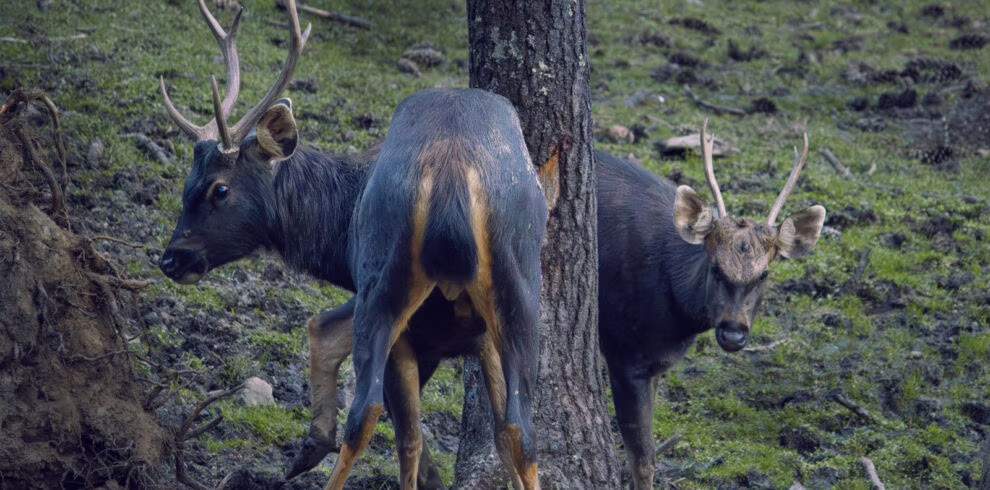
Experience Bhutan as a living sanctuary — a kingdom where more than 70% of the land remains forested, wildlife roams...
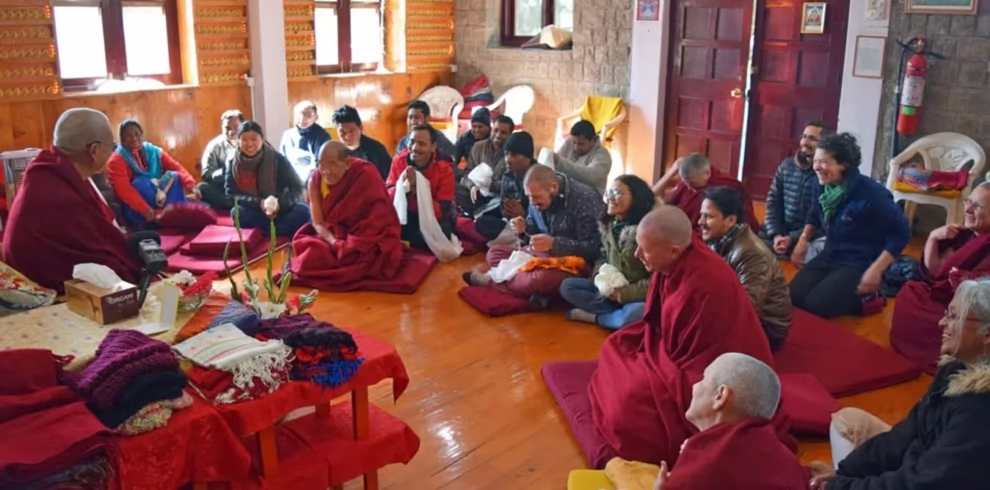
The Bhutan Spiritual & Wellness Retreat Tour is a journey designed for those seeking peace, healing, and mindful transformation. Blending...
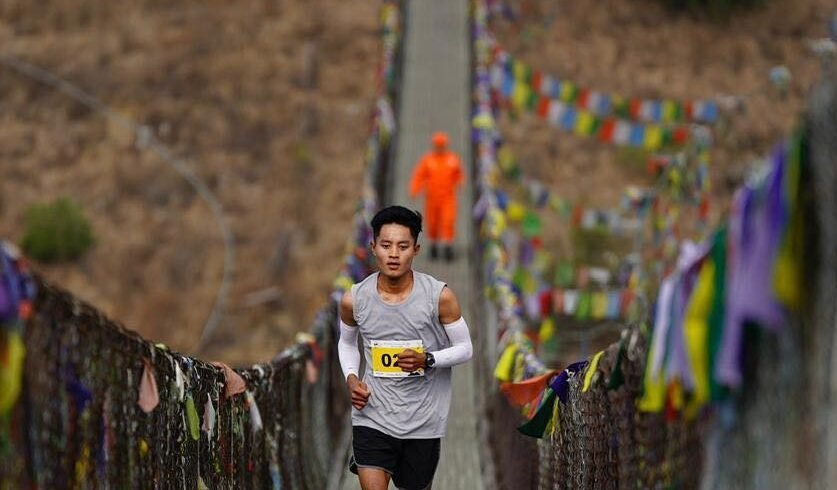
Marathon Date: 7 March 2026 The Bhutan International Marathon 2026 invites runners from around the world to experience the rare...
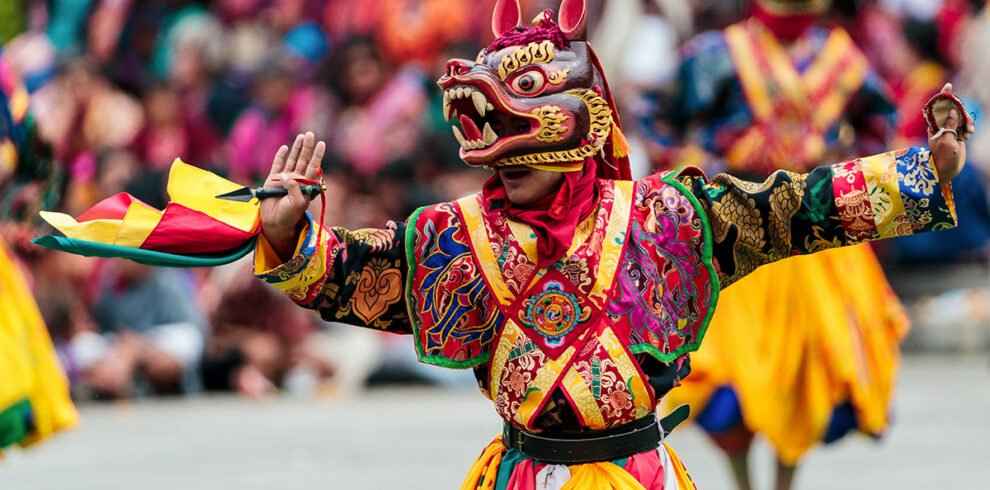
The Thimphu Tshechu festival Bhutan is one of the most sacred and colourful celebrations in the Himalayan kingdom. This 11-day...